The Acas Early Conciliation (EC) process — the mandatory first step before most employment tribunal claims can be made — is undergoing a significant change. From 1 December 2025, the maximum Early Conciliation period will be extended from six weeks to twelve weeks for any new EC notifications submitted on or after that date.
Previously, EC operated on the basis of:
- An initial one-month conciliation period
- A possible 14-day extension
- Resulting in a maximum of around six weeks
From December 2025, the entire conciliation window becomes a fixed 12-week period, giving both parties far more time to resolve disputes before they progress to a tribunal.
How the Time Limit Works in Practice
- Claimants must still notify Acas within the original tribunal limitation period, usually three months minus one day from the date of dismissal or the incident giving rise to the claim.
- Once the employee contacts Acas, the tribunal time limit is paused (“the clock stops”) for the whole conciliation period.
- When the conciliation ends — either because settlement is reached or an EC certificate is issued — the clock restarts.
- Claimants will then have at least one month from the date the EC certificate is issued to file their tribunal claim.
Why the Extension Matters
The doubling of the conciliation window will have a real impact on both employers and employees:
1. Longer Opportunity to Resolve Disputes
Parties now have three full months to:
- Exchange information
- Explore settlement options
- Clarify misunderstandings
- Avoid unnecessary litigation
This is expected to increase the number of disputes settled before reaching the tribunal stage.
2. Longer Period of Uncertainty for Employers
While the change encourages resolution, it also means:
- Potential claims may remain “live” for a considerably longer period
- Employers may not know for up to 12 weeks — plus the additional month post-certificate — whether a claim will be filed
- Internal investigations and evidence-gathering may need to be preserved for longer
3. More Time for Claimants to Build Their Case
Because the limitation clock is paused, claimants can use the extended timeframe to:
- Seek legal advice
- Review documents
- Strengthen the factual basis of their claim
This could lead to claims being more detailed and better prepared when they do reach the tribunal.
4. Increased Emphasis on Early Case Assessment
Employers will need to:
- Assess risks earlier
- Identify weaknesses in their processes or documentation
- Engage proactively with Acas conciliators
- Consider commercial settlement strategies sooner
5. Strategic Link with Day-One Unfair Dismissal Rights
With unfair dismissal due to become a day-one right in 2027, more employees will be eligible to bring claims — meaning more cases will enter the extended EC process. This makes fair procedures and strong documentation from the very start of employment more important than ever.
Unfair Dismissal: A Refresher for Employers
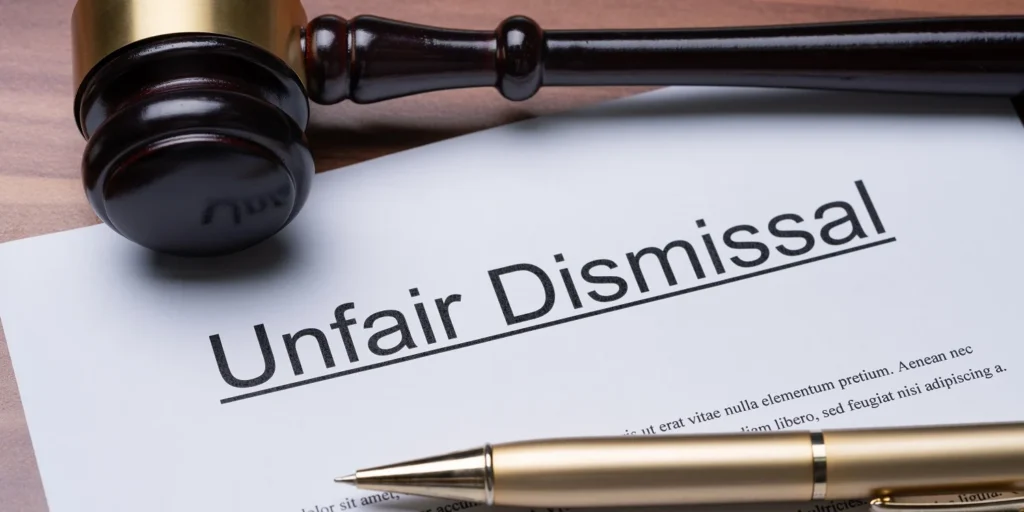
Unfair dismissal occurs when an employer terminates an employee’s contract without a fair reason or without following a fair and reasonable procedure. Even if the reason is valid, the dismissal may still be judged unfair if the process was flawed.
Unfair dismissal occurs when an employee is dismissed by their employer without a fair reason or without a fair procedure being followed.
In many jurisdictions, an employer must show a fair and legally acceptable reason for dismissal, such as:
Fair Reasons for Dismissal
Conduct: Misconduct, dishonesty, repeated rule-breaking
Capability / Performance: Poor performance, inability to do the job, medical incapacity
Redundancy: Genuine business needs to reduce staff
Statutory Requirement: Employee can’t legally continue (e.g., lost license)
Some Other Substantial Reason (SOSR): Business reorganisation, breakdown in working relationship
Even if the reason is fair, the employer must follow a proper procedure, usually including:
- Investigation
- Warnings (where appropriate)
- Opportunity to respond
- Fair hearing
- Right of appeal
Failing to follow procedure can make a dismissal unfair, even if the reason itself was valid.
Who Is Protected?
Protection from unfair dismissal usually applies to employees who:
- Have a certain period of continuous employment (commonly 2 years in the UK — with exceptions, such as whistleblowing or discrimination cases which require no minimum time)
- Are employees (not contractors or self-employed)
Automatically Unfair Dismissals
Some dismissals are automatically unfair if the reason relates to things like:
- Pregnancy or maternity
- Whistleblowing
- Trade union membership or activities
- Health and safety activities
- Asserting legal employment rights
These do not require a minimum length of service.
What Is Constructive Dismissal?
Constructive dismissal is when an employee resigns because the employer’s behaviour has fundamentally breached the employment contract, making it impossible to continue working.
Examples of Fundamental Breach
Breach of trust/confidence: Harassment, unfair treatment, bullying
Failure to provide a safe workplace: Ignoring serious safety issues
Unilateral change of contract: Major pay cut, significant role change without agreement
Failure to deal with grievances properly: Ignoring formal complaints
The employee must usually prove:
- The employer seriously breached the contract
- The employee resigned in response to the breach
- They did not wait too long before resigning
Constructive dismissal claims are often harder to win than unfair dismissal claims because the burden of proof rests on the employee to show the employer’s conduct forced them to leave.
Key Takeaways
- Unfair dismissal: Employer ends employment without fair reason or fair process.
- Constructive dismissal: Employee resigns due to employer’s serious breach of contract.
- Good documentation, fair process, and communication are critical for employers.
- Employees who feel unfairly treated should keep records and follow grievance procedures.
With the employment law landscape shifting, employers should act now—review your processes, train managers, and ensure documentation is watertight. Early preparation is the most effective way to safeguard your organisation against future claims.