
In the UK rental market, many landlords eventually encounter the same frustrating situation:
You rented the property to one tenant, but later discover it has been sublet, split into multiple occupancies, or even listed on Airbnb.
So, can the landlord terminate the tenancy and regain possession of the property?
The answer is:
👉 In most cases, yes — but it must be done lawfully. A landlord cannot take matters into their own hands.
1. What Counts as “Unauthorised Subletting”?
In UK law and rental practice, “unauthorised subletting” usually refers to situations where:
- the tenant does not obtain the landlord’s written consent, and
- the tenant sublets all or part of the property, including:
- subletting to a third party
- renting out individual rooms to others
- using the property for short-term lets or commercial purposes such as Airbnb
If the tenancy agreement clearly states “No subletting without consent”, the above conduct will normally be considered a clear breach of contract.
2. Can a Landlord Terminate the Tenancy Because of This?
(1) General principle
Yes. Unauthorised subletting is usually a breach of the tenancy agreement, and the landlord may lawfully start the process to end the tenancy and seek possession.
However, it is crucial to note:
❗ A landlord cannot terminate the tenancy by themselves,
❗ cannot change the locks,
❗ and cannot remove occupiers without following legal procedures.
3. Lawful Options Available to Landlords

1) Check the tenancy agreement first
The first step is to confirm whether the agreement includes any of the following clauses:
- an express prohibition on subletting
- a requirement that subletting must have the landlord’s written consent
- subletting allowed only under certain conditions
If the agreement contains no restrictions at all, the situation becomes more complex and may require further legal assessment.
2) Serve a Section 8 Notice for breach of tenancy
Where subletting is prohibited under the contract, the landlord may serve a Section 8 Notice under the Housing Act 1988.
Common grounds include:
- Ground 12: breach of a term of the tenancy agreement
- (other grounds may also apply if there is rent arrears, nuisance, or other issues)
In many cases, the landlord must give the tenant a 14-day notice period, as required by law.
3) Apply to the court for a Possession Order
If the tenant does not leave after the notice period expires, the landlord may apply to the court for a Possession Order.
Only after the court grants possession — and enforcement is carried out by bailiffs — can the landlord lawfully recover the property.
4. Common but Risky (and Often Illegal) Actions
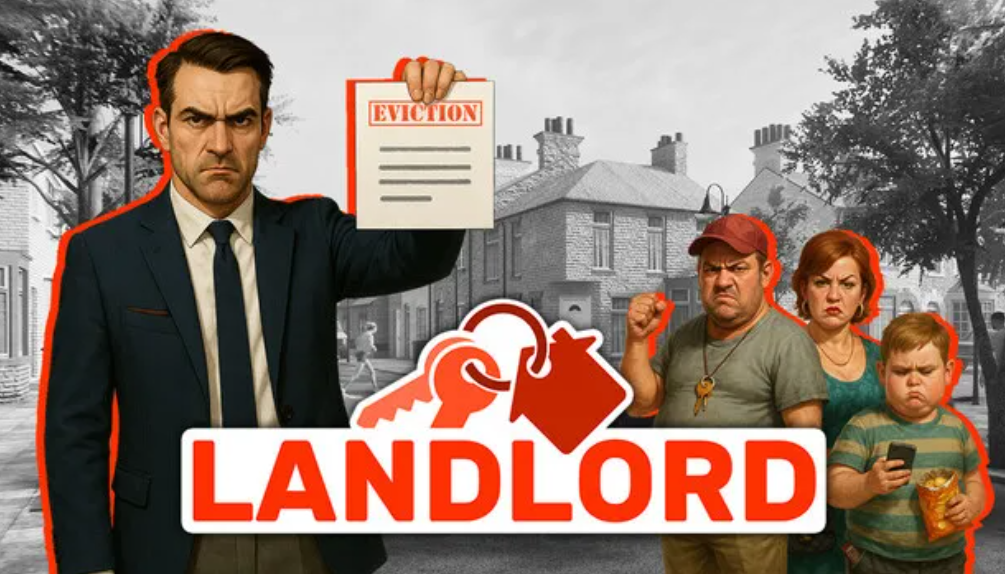
The following actions are unlawful or extremely high-risk in the UK:
- changing the locks
- entering the property without permission
- removing the tenant’s or subtenant’s belongings
- cutting off water, electricity, or internet
- forcing the occupiers out through threats or intimidation
These behaviours may amount to:
- Illegal Eviction
- Harassment
In such cases, the landlord may face legal claims and compensation liabilities.
5. Extra Risks Where Airbnb / Short-Term Lets Are Involved

If the tenant is using the property for Airbnb or other short-term rental platforms, this may also involve:
- breach of the tenancy agreement
- breach of local council rules on short-term letting or planning restrictions
- increased insurance and liability risks for the landlord
In these situations, landlords should act promptly to avoid the risk escalating further.
6. Professional Recommendation
In the UK, unauthorised subletting does not mean a landlord can “terminate the tenancy immediately”.
Instead, it means the landlord has a valid legal basis to start the proper possession process.
If you are a landlord and you discover:
- the property has been sublet or split into multiple occupancies
- the tenant is rarely present and third parties are living there
- the property is being used for short-term commercial letting
It is strongly recommended to involve a solicitor early to:
- review the tenancy agreement
- gather and preserve evidence
- choose the correct legal route (Section 8 or other lawful procedures)
Conclusion
Unauthorised subletting is a serious risk for landlords in the UK.
The key to protecting your rights is not just whether you are legally justified, but whether you follow the correct legal process.
Before taking any action, a professional review of the contract terms and legal options can help prevent unnecessary disputes and avoid the landlord being exposed to counterclaims.